Samsung Electronics' shareholders observe the performance of a Rainbow Robotics' model in Suwon, Gyeonggi, on March 19, 2025.JOINT PRESS CORPS
After decades of making ever-smarter devices with chips and foldables, Samsung Electronics is betting on robots that can stand up and get to work — through a sweeping overhaul of its robotics organization.
Samsung is restructuring its robotics operations as it shifts its focus from research to commercialization.
A Robotics eXperience office (RX office) was established under the oversight of Roh Tae-moon, Samsung Electronics president and chief of the Device eXperience (DX) Division, according to the company. The DX division oversees home appliances and smartphones.
The new RX office integrates research, development and commercialization capabilities that had previously been spread across the company. It aims to streamline the entire robotics development process, which encompasses business strategy, product planning and hardware and software development.
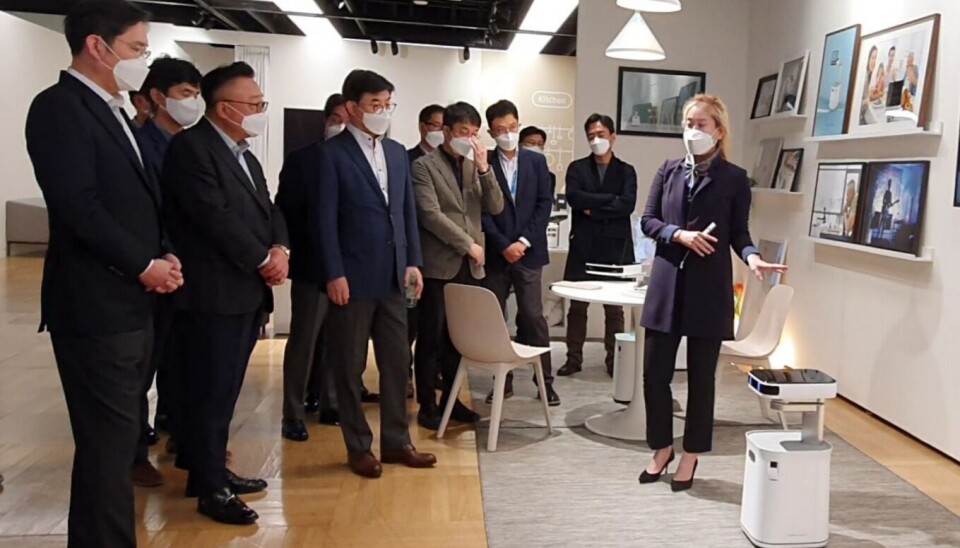
Then-Samsung Electronics Vice Chairman Lee Jae-yong, far left, inspects a service robot at the Seoul R&D Campus in Seocho District, southern Seoul, in 2020.SAMSUNG ELECTRONICS
The new unit's long-term strategy will be designed by Executive Vice President Lee Dong-geun, who has been appointed head of the robotics strategy team. Lee joined Samsung Electronics in May after leading robotics strategy for Boston Dynamics at Hyundai Motor Group.
Oh Jun-ho, a distinguished professor in mechanical engineering at KAIST, will continue to lead the company's Future Robotics Office.
Samsung also recruited leading experts in the field.
Kim Hyoun-jin, a professor of aerospace engineering at Seoul National University specializing in autonomous robots and robotics control, joined the RX office. Kim Ui-kyum, a professor of mechanical engineering at Ajou University renowned for his expertise in robotic hand technology, was also brought on board. The two were reportedly persuaded by the company's long-term vision for robotics and its research environment, including its manufacturing infrastructure and plans to build a robotics data factory.
Samsung Electronics also carried out a companywide recruitment drive to staff the new unit. It is also said to have hired a number of engineers from major global technology companies.
In addition, the company's so-called management diagnosis team under the corporate management office conducted a broad operational review of the robotics organization.
The company is expanding its research infrastructure as well.
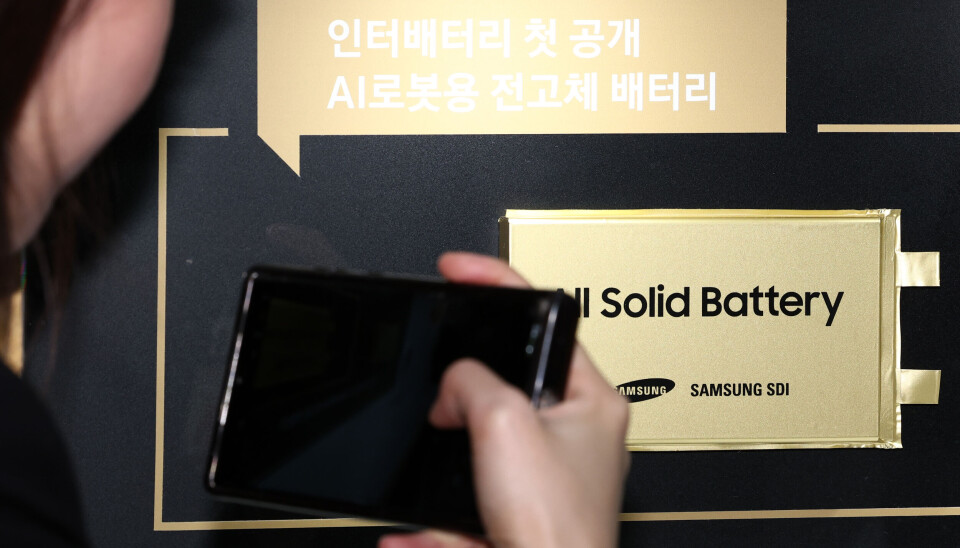
A Samsung SDI-produced solid battery for AI roboticsNEWS1
Samsung will turn its Seoul R&D Campus in Seocho District, southern Seoul, into its main robotics research hub. Researchers are set to work together at two buildings on the campus dedicated exclusively to robotics research.
Samsung also plans to build a data factory at its Gumi complex in North Gyeongsang to collect the large amounts of data needed to train robots. It also plans to establish global research hubs to help build a robotics ecosystem and attract top talent.
"Now that the company has aligned its organization, infrastructure and talent, its humanoid robotics business is positioned to accelerate," an industry source said.
Once the company establishes dedicated production lines and demonstrates that the business can be profitable, the organization is expected to be upgraded into a full-fledged business division.
Samsung Electronics plans to begin deploying humanoid robots on its own semiconductor, smartphone and home appliance production lines as early as the second half of this year in an effort to gather real-world data to improve dexterity and ability in a wide range of tasks.
"Our top priority is using robotics to automate our manufacturing facilities," President Roh said in January. "Building on the technological insights accumulated there, we plan to expand step by step from the industrial business-to-business market to the broader consumer market."
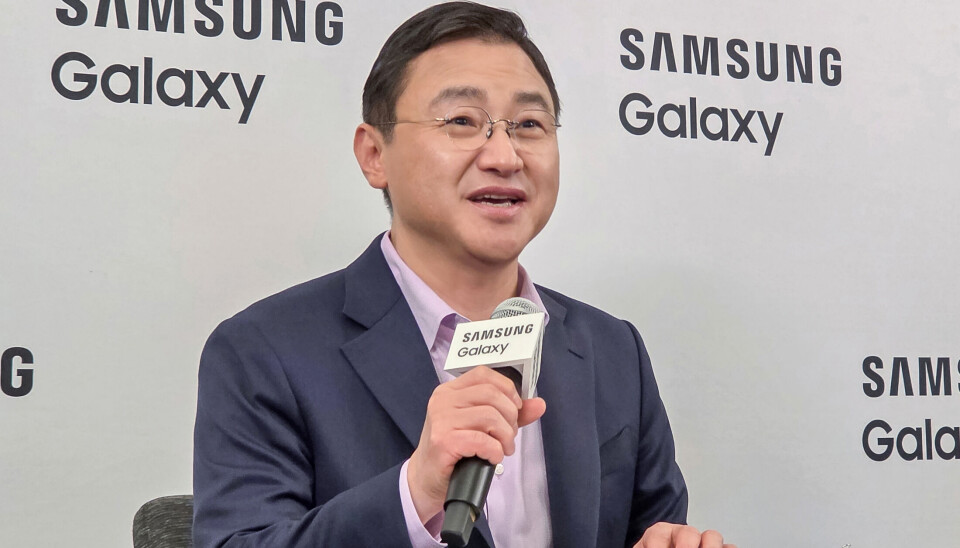
Roh Tae-moon, president of Samsung Electronics and chief of the Device eXperience Division, speaks during a corporate event held in San Francisco in February.SAMSUNG ELECTRONICS
The company has already made notable technical progress. It is accelerating the development of robotic hands, widely considered one of the biggest obstacles to commercializing humanoid robots.
The advances are coming through a combination of partnerships with outside companies and in-house research. Samsung Research has also developed advanced robotic technology capable of assembling and connecting flexible materials resembling electrical cables that constantly change shape.
The company intends to expand its investment in robotics through mergers and acquisitions along with strategic investments, as outlined during a presentation to shareholders for the first quarter of this year.
"Going forward, we plan to recruit more top experts across a wide range of fields and continue strengthening our ability to commercialize robotics over the long term," a Samsung spokesperson said.
This article was originally written in Korean and translated by a bilingual reporter with the help of generative AI tools. It was then edited by a native English-speaking editor. All AI-assisted translations are reviewed and refined by our newsroom.