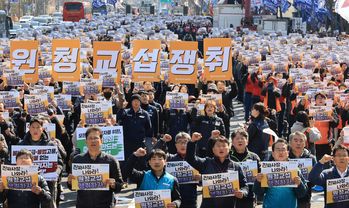
Protecting labor rights and maintaining industrial competitiveness are not mutually exclusive goals. Countries that lose businesses cannot sustain quality jobs.
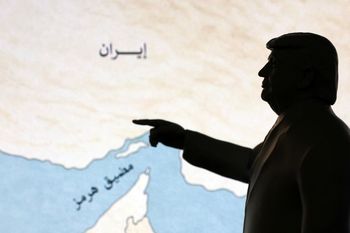
Rights come with responsibilities. If Korea seeks to uphold freedom of navigation and secure the economic benefits tied to it, it must also contribute actively to the multilateral framework that supports it.
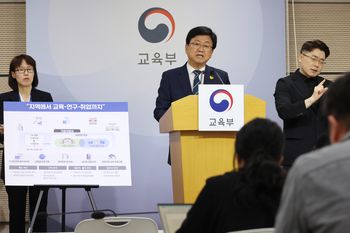
Beyond funding, meaningful change will depend on the universities’ own efforts to reform and improve competitiveness.
The challenge ahead is not a short-term spike but a longer-term adjustment to a higher price environment.
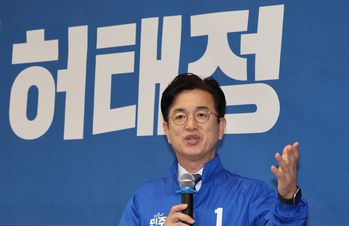
Local government finances are not discretionary funds for political campaigns but public resources that require careful stewardship.
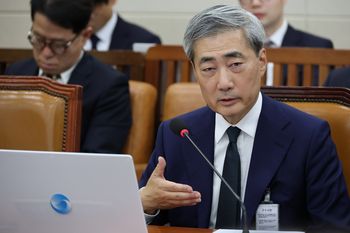
These developments underscore the need for close coordination between the two governments, making the ambassador’s role more critical than ever.
The current crisis has placed the government’s ability to manage external shocks under scrutiny. Its response will be critical in determining whether Korea can withstand mounting pressure on its industrial base.
The government should also take proactive steps to minimize confusion and unintended consequences that have emerged since the yellow envelope law’s implementation.
The presidential office should overhaul the system for conveying the president’s messages. At a sensitive time, repeated controversy caused by unverified social media posts viewed around the world should not continue.
The more unconventional a policy, the greater the potential side effects that society must bear. To minimize these risks, the government must at least adhere to consistent principles in its operation.
Korea JoongAng Daily Sitemap